Interface · 15 July 2026
Build a company site for the next page, not the first
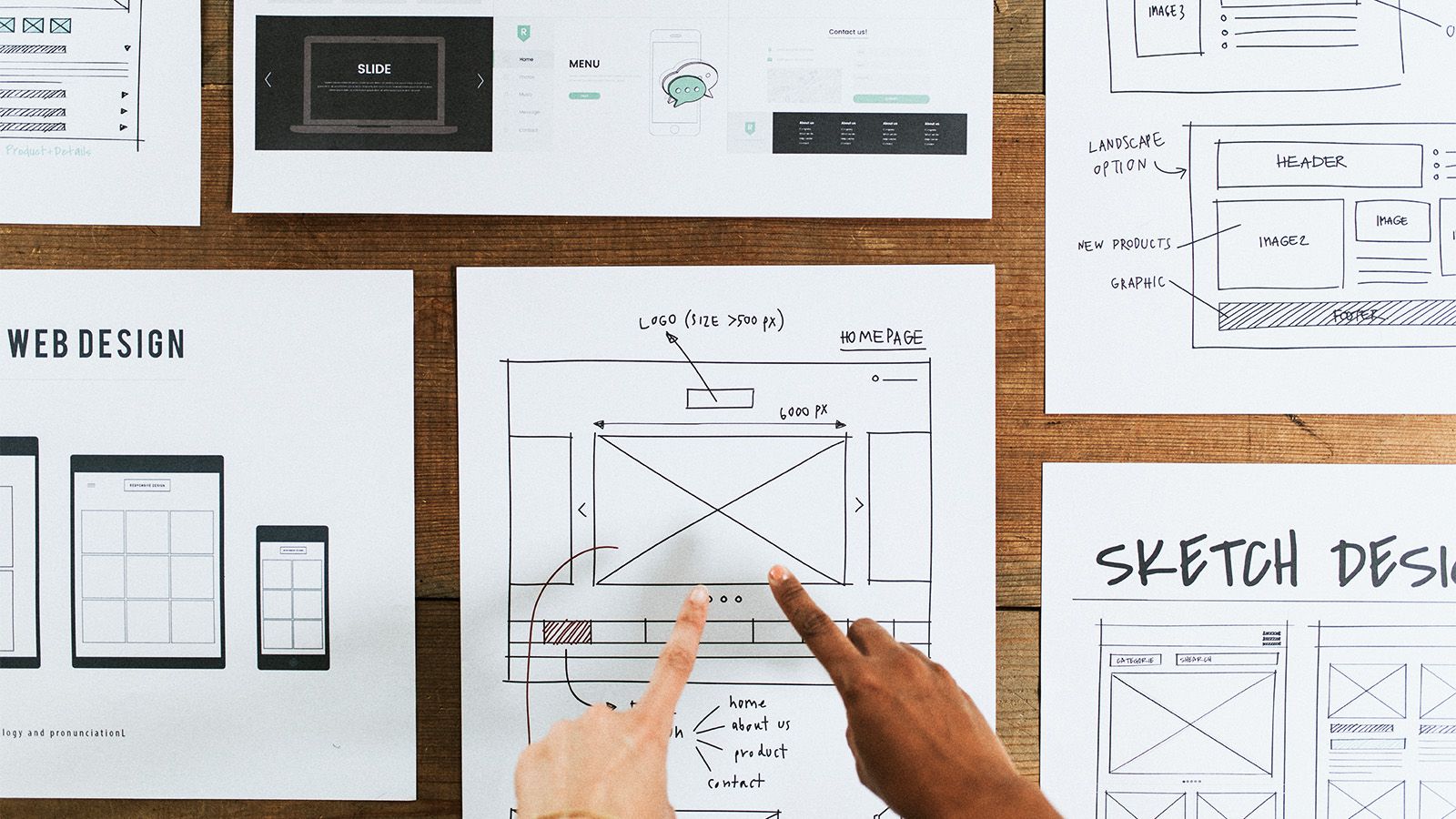
When a company site goes wrong, it's rarely at launch. It happens a couple of months in, when a new service, a new hire, or a new case study needs a page and someone pastes it into a layout that was only ever drawn once.
So I build the site as a small system: a pattern for explaining a service, a way to add a page without a new design, and type, spacing, and a handful of components that repeat. Illustration goes on last, not underneath.
Picking the stack is mostly about who edits it next. I default to Next.js when the site needs to stay fast and some pages behave like an application. I use WordPress when the team wants to edit pages themselves. Neither is the more modern choice; they suit different owners.
The words have to fit that system as well. If every service is three icons and a slogan, the site can grow forever and still say nothing. I give each service its own short explanation, specific enough that the company can send that page to a client.
Nexven and BlueEco were different companies with the same need: a public site that keeps explaining the work after the homepage. That's what I designed and built for.
More insights
- Design the failed login path firstEngineering
- Connect the model to a real systemAI
- Agree what a finding is before building the dashboardInfrastructure
- Use motion for state, then stopInterface
- Write the empty state before the full oneEngineering
- Leave a handoff the next developer can useEngineering
- Give an agent a boundary people can seeAI
- Show the feed that stopped reportingInfrastructure
- Design for the return visit firstInterface